A Visitor’s Guide to Common Scottish Words
If you’re planning a trip to Scotland – as you well should! – prepare yourself for more than stunning landscapes, engaging culture, and historic sites—you’re about to encounter a language all its own!
Scots is rich, colourful, and brimming with words that might leave you scratching your head if you’re not prepared. Fear not, though! We’ve compiled a guide to some common Scottish words and phrases you’re likely to hear on your travels, along with where you’re most likely to hear them in action.
Aye (Yes) and Nay (No)
They’re as Scottish as shortbread and will probably be the first words you’ll recognise. Whether you’re in a Highland village or the streets of Glasgow, you’ll hear them everywhere. Ask a local if the weather’s ever good here, and you’ll likely hear, “Aye, once or twice a year!”
Where: Everywhere in Scotland
Pronunciation: aye [ʌɪ]
Braw (Lovely/Good)
If someone tells you something is braw , take it as a compliment. It means “good,” “fine,” or “lovely,” and it’s often used to describe people, places, or even the weather (rarely).
Where: Try Pitlochry or New Town, Edinburgh
Pronunciation: braw [brɔː]
Wee (Small)
Everything in Scotland can be wee—a wee dram, a wee bairn, or even just a wee minute.
Where: Nationwide, in shops, cafés, and pubs
Pronunciation: wee [wiː]
Blether (Chat/Talk)
A good old chinwag—Scots excel at a proper blether! You’ll hear it in every pub and café worth its salt.
Where: Pubs in Inverness, Glasgow, and St Andrews
Pronunciation: blether [ˈblɛðə]
Dreich (Dull/Miserable Weather)
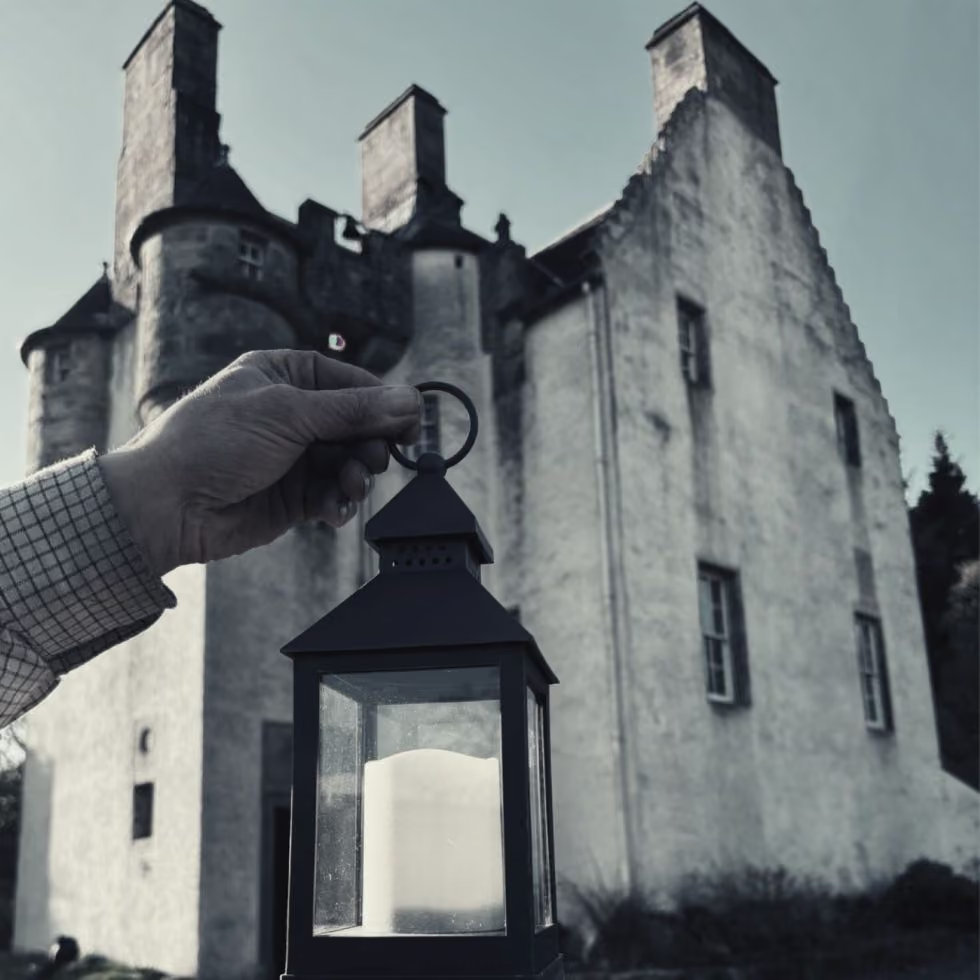
A perfect word for a grey, rainy day. It’s not just about the rain—it’s the bone-deep gloom. Despite this, Scotland’s moody glens and castles look even more mysterious under a dreich sky.
Where: Highland glens, Edinburgh in autumn
Pronunciation: dreich [driːx]
Ken (Know)
“Ye ken?” means “Do you know?” A classic word from the Outlander series too!
Where: Aberdeenshire and the Highlands
Pronunciation: ken [kɛn]
Scran (Food)
Feeling hungry? You’re after some scran. Whether it’s fish and chips or stovies, it all counts.
Where: Chippies and cafés across Scotland
Pronunciation: scran [skran]
Bairn (Child)
A term full of affection, meaning “child.” You’ll hear it a lot in family conversations, especially in rural areas.
Where: Fife, the Borders, and coastal towns
Pronunciation: bairn [bɛːn]
Crabbit (Grumpy)
Someone’s a wee bit moody? They’re crabbit. It’s used playfully and with no hard feelings.
Where: Daily banter, family chats
Dinnae (Don’t)
A gentle directive: “Dinnae worry,” “Dinnae dae that.” It’s as Scottish as the glens.
Where: Lowlands and Central Belt towns
Ceilidh (Dance/Gathering)
Pronounced kay-lee, a ceilidh is a traditional dance event full of joy, music, and storytelling. It’s an unforgettable night for any visitor.
Where: Edinburgh or Inverness venues
Pronunciation: ceilidh [ˈkeɪli]
Best Places to Hear Scots in Action
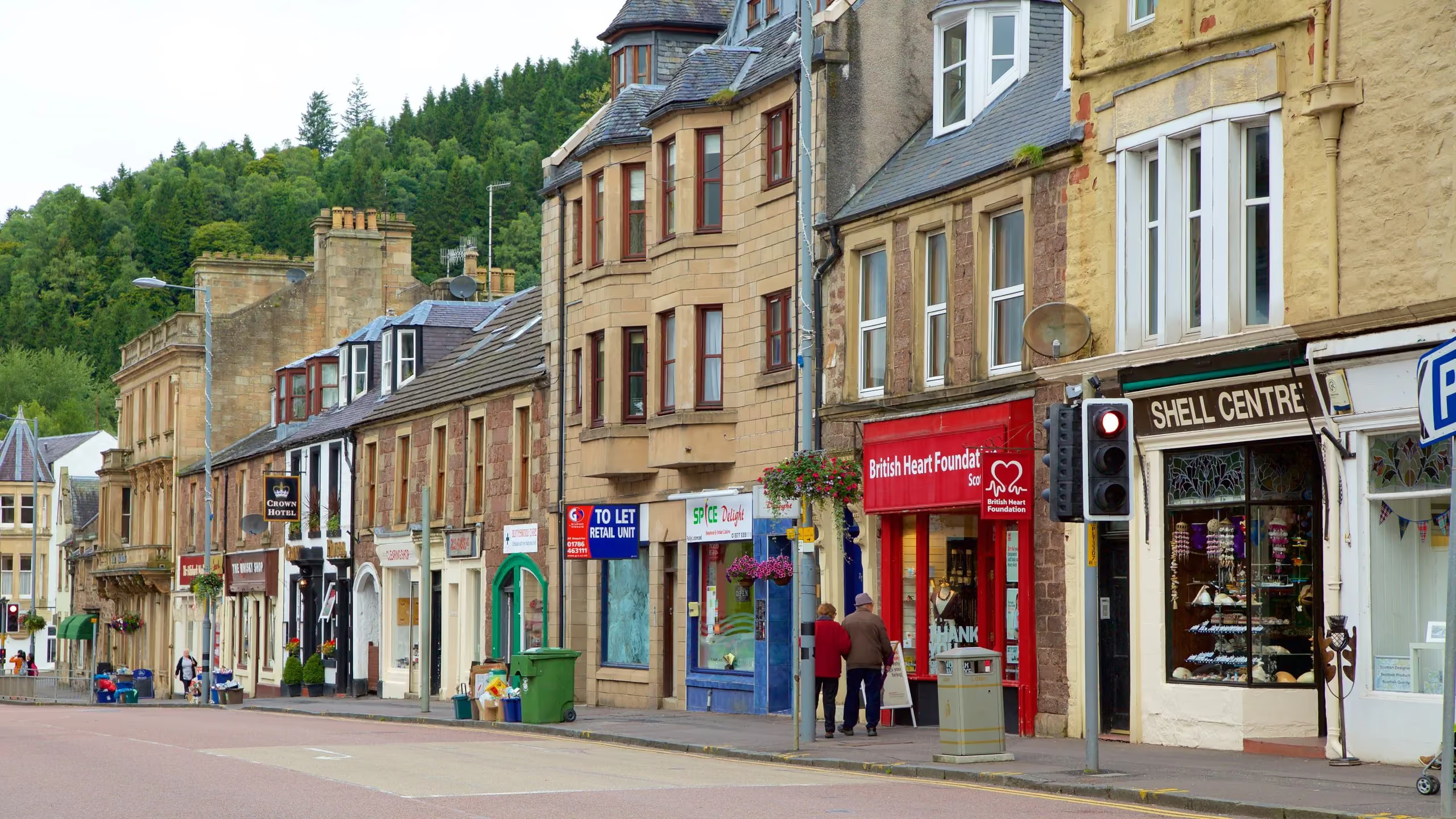
To truly immerse yourself in Scotland’s unique language, step away from tourist hubs and venture into local communities. Villages like Pitlochry and Dunkeld are perfect for friendly dialects, while pubs in Glasgow offer rapid-fire banter and colourful phrases galore.
Want to Blend In with the Locals?
Drop a few of these words into your chats, and you’ll be welcomed like an old friend. Scots love when visitors have a go at the lingo. So have a wee blether, enjoy some braw scran, and don’t let the dreich days get you down. Scotland is a land of stories, sayings, and warm welcomes—and its language is one more reason to fall in love with it.
Need help planning your Scottish adventure ? Browse our private tours or multi-day journeys to get started! And for all-round tips, travel news and inspiration, explore VisitScotland —Scotland’s National Tourist Organisation.