Jacobite Scotland: Culloden, Rebellion and Romantic Echoes

Published on
10 August 2025
|
Written by
Laurie Knight

A Nation’s Cause; Culloden’s Call
2 day Loch Ness tours Loch Ness and Culloden tours
Credit: VisitScotland / Kenny Lam

Few chapters in Scottish history stir the soul quite like the Jacobite Rebellion—and in Culloden Moor, no site captures the drama and devastation of that era more vividly. Here, in 1746, the dreams of restoring the House of Stuart came to a tragic end. The legacy of Culloden lives on not only in history books but also in the collective identity of the Highlands, etched into the landscape and the hearts of visitors.

The Road to Rebellion: Dreams of a Stuart Return

The Jacobite cause began in 1688, when the Catholic King James VII of Scotland (also James II of England) was deposed during the Glorious Revolution. His supporters—Jacobites, from the Latin “Jacobus”—believed the throne had been wrongfully taken and sought to restore the Stuart line.

Over the next six decades, uprisings flared across Scotland and parts of England. But it was the final uprising of 1745, led by the charismatic Charles Edward Stuart (Bonnie Prince Charlie), that came closest to success. After landing on the west coast of Scotland with only a few men, Charlie rallied thousands of Highlanders and marched south as far as Derby—only 125 miles from London—before retreating north.

The Final Stand: Culloden and the Fall of the Jacobite Cause
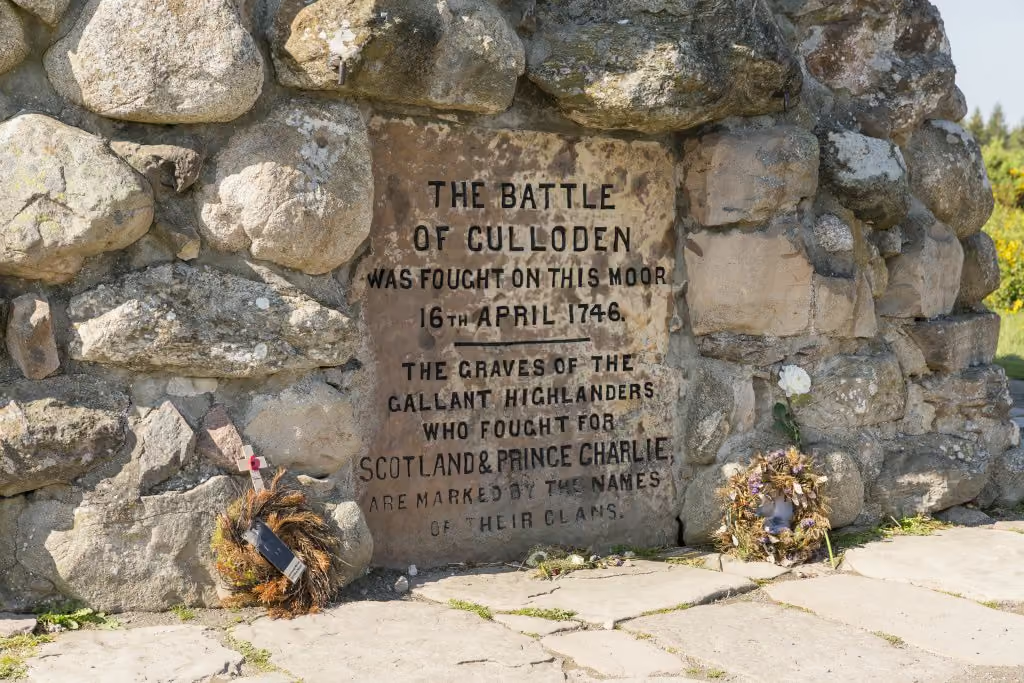
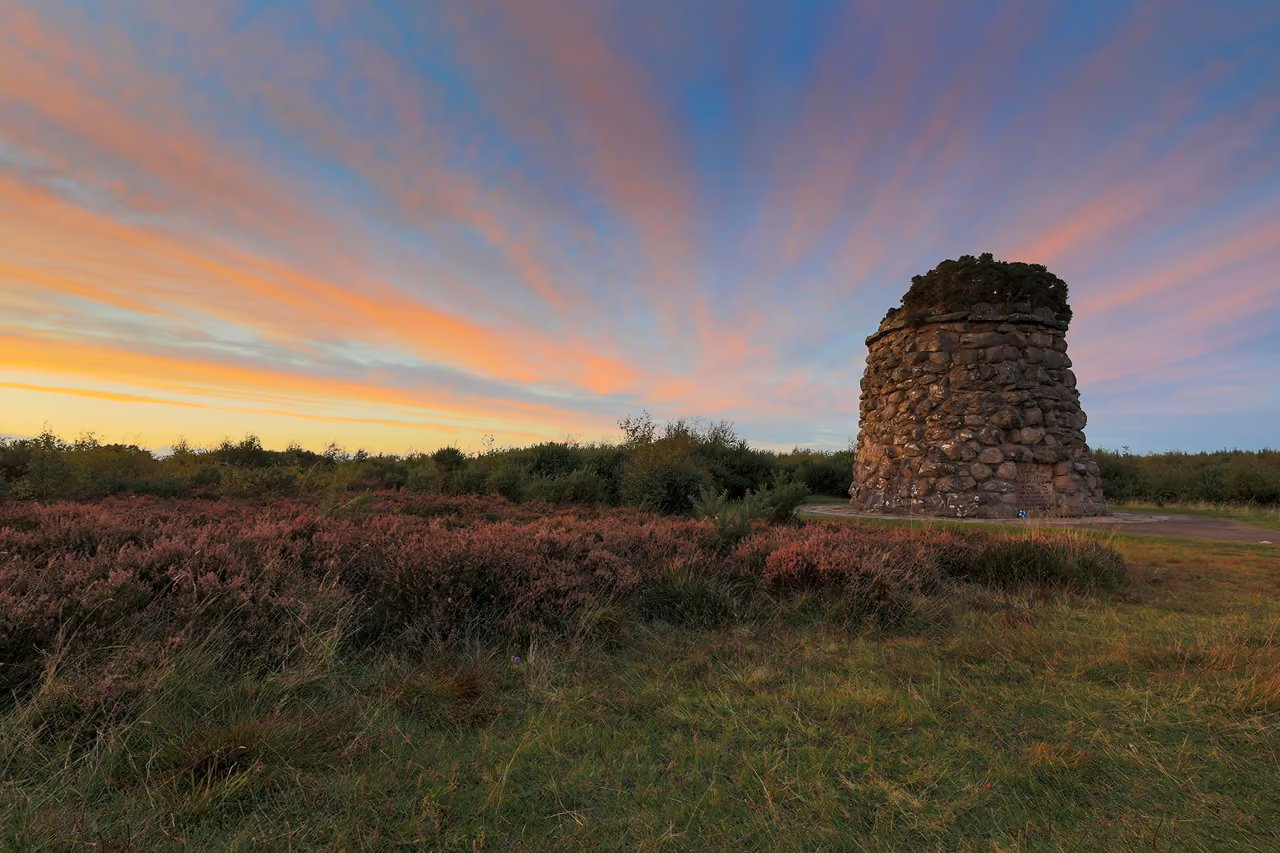
The Jacobite Memorial Cairn at Culloden BattlefieldCredit: VisitScotland / Kenny Lam
The Jacobite Memorial Cairn at Culloden Battlefield Credit: VisitScotland / Kenny Lam

On 16 April 1746, the Jacobite army faced government forces led by the Duke of Cumberland on the windswept, boggy expanse of Culloden Moor. The Jacobites, exhausted and poorly supplied, were no match for the disciplined Hanoverian army. In under an hour, the rebellion was crushed.

The aftermath was brutal. The government’s reprisals were swift and severe—villages were burned, families displaced and traditional Highland dress and weaponry were outlawed. It marked not only the end of the Jacobite dream, but the dismantling of the clan system that had underpinned Highland life for centuries.

Culloden Today: More Than Just a Battlefield
Culloden Battleground
Culloden, today Credit: VisitScotland / Luigi Di Pasquale

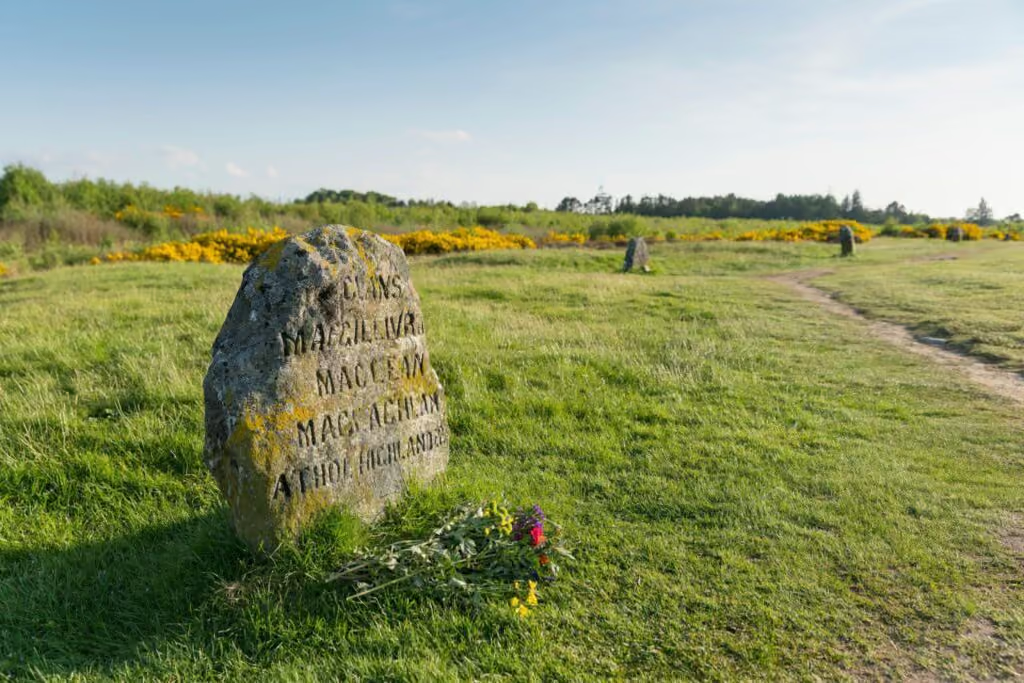
Today, Culloden is carefully preserved by the National Trust for Scotland. The battlefield itself is hauntingly quiet, but deeply evocative. Visitors can explore walking trails, stone markers for fallen clans, and the immersive visitor centre featuring artefacts, interactive exhibits, and a 360° battle reconstruction.

On our tours, we ensure guests have time to walk the ground slowly, reflect on the stories, and understand how deeply this place shaped Scotland’s future. Culloden isn’t just a tick-box location—it’s an emotional experience.

Film, Fiction and Outlander Fame

Culloden’s power has been reignited in the modern era, especially through popular culture. The historical drama series Outlander has introduced a new generation to the Jacobite story, with Culloden and its characters woven through key plotlines.

  • Chasing the Deer (also known as Culloden 1746) is a 1994 war film that vividly portrays the final battle, starring Brian Blessed and Fish.
  • Doctor Who’s serial The Highlanders begins just after the battle and introduces Jamie McCrimmon, a fictional Jacobite-turned-companion to the Doctor.
Nearby Highlights: Glenfinnan, Clava Cairns and More

Culloden is just one piece of a larger Jacobite landscape. Our tours often include stops such as:

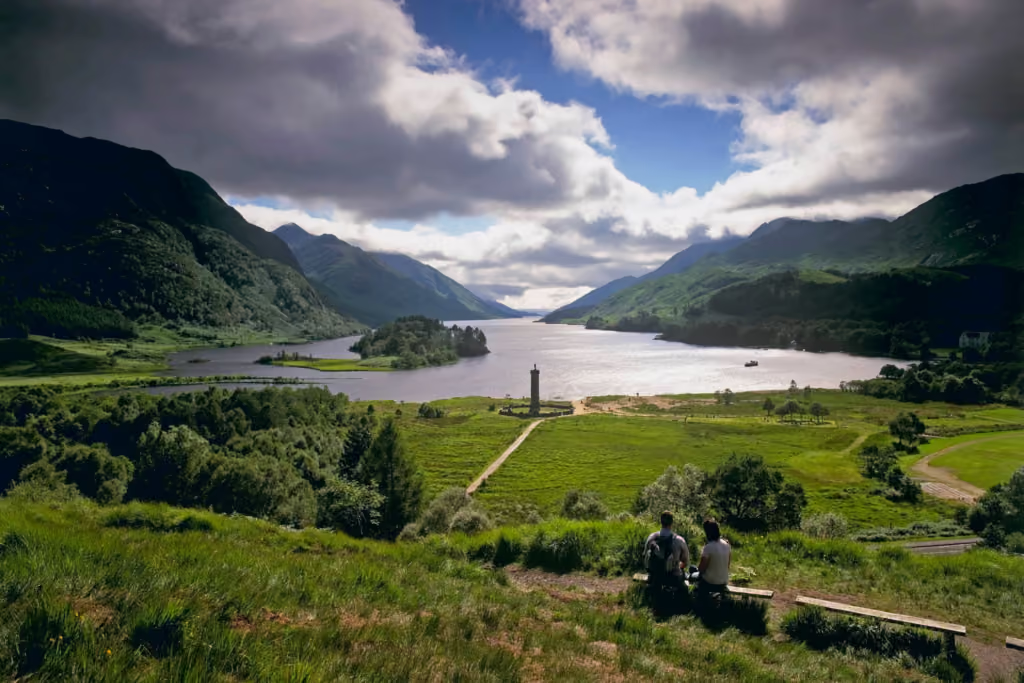
  • Glenfinnan Monument: Where Bonnie Prince Charlie first raised his standard in 1745. The iconic column stands at the head of Loch Shiel and is a must-see for anyone following the Jacobite trail.
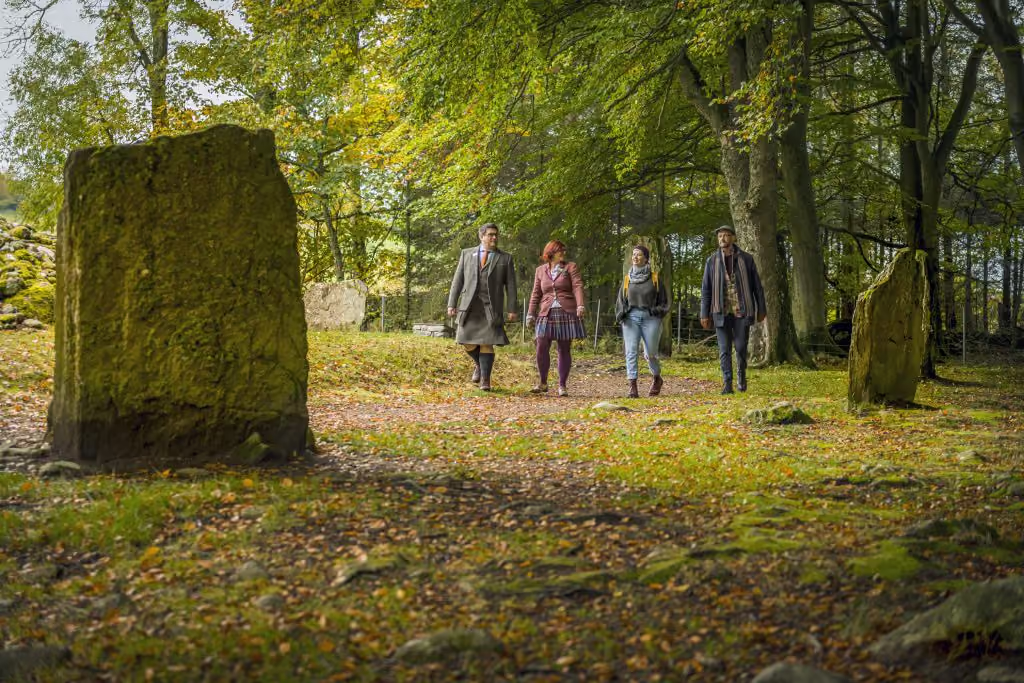
  • Clava Cairns: A hauntingly beautiful Bronze Age burial site that inspired Craigh na Dun in Outlander. It's just minutes from Culloden and adds a deeper time-traveller’s layer to the experience.
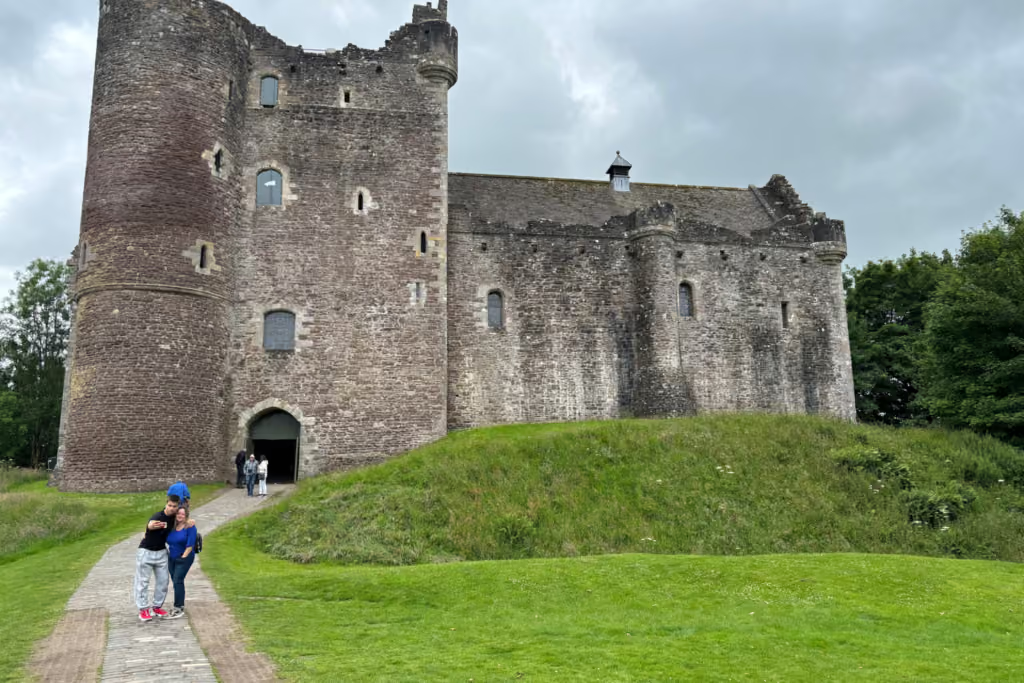
  • Doune Castle: Featured in Outlander, Monty Python, and Game of Thrones, it’s a perfect stop for those who want to blend history with filming locations.

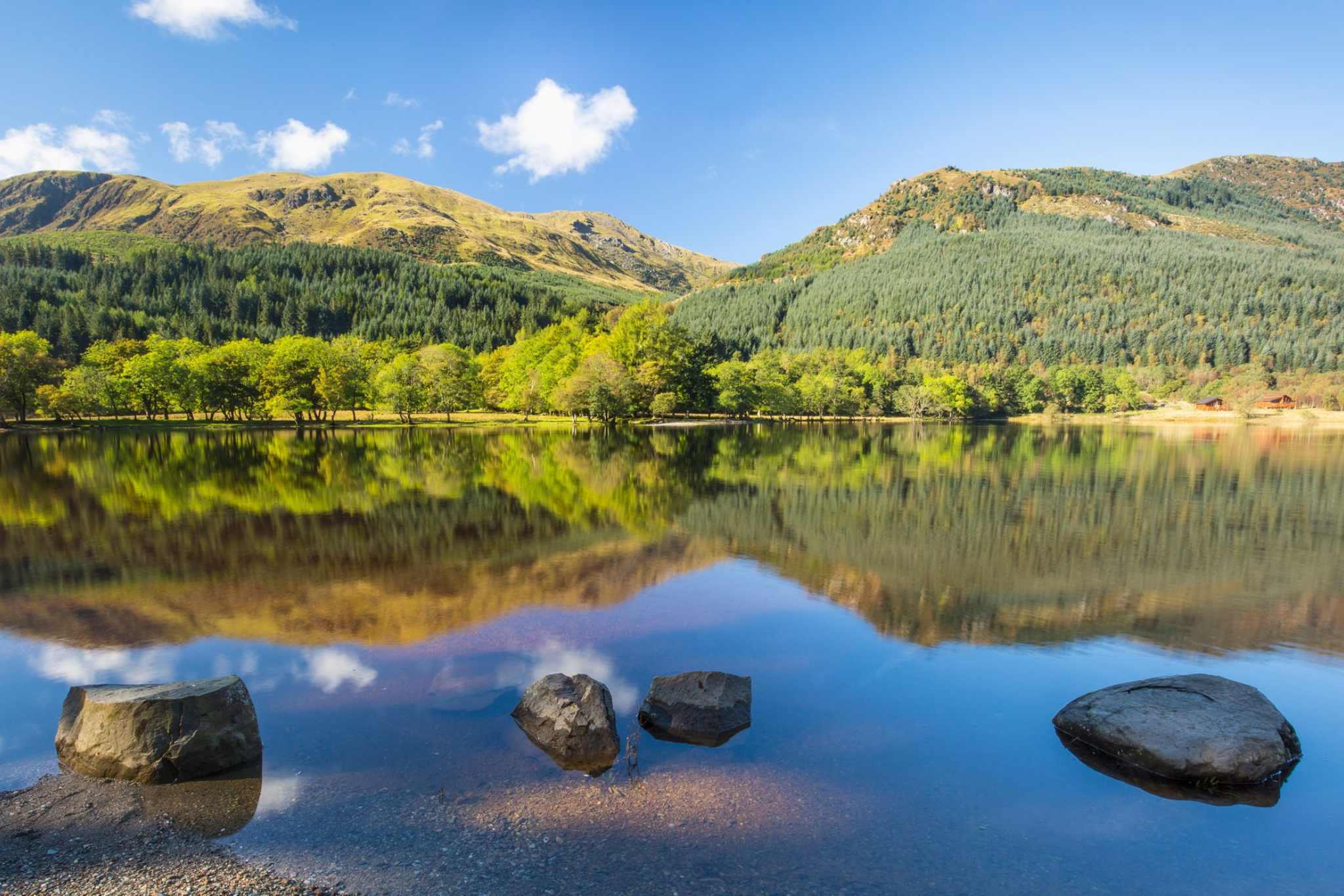
The Glenfinnan Monument
The Glenfinnan MonumentCredit: VisitScotland / Kenny Lam

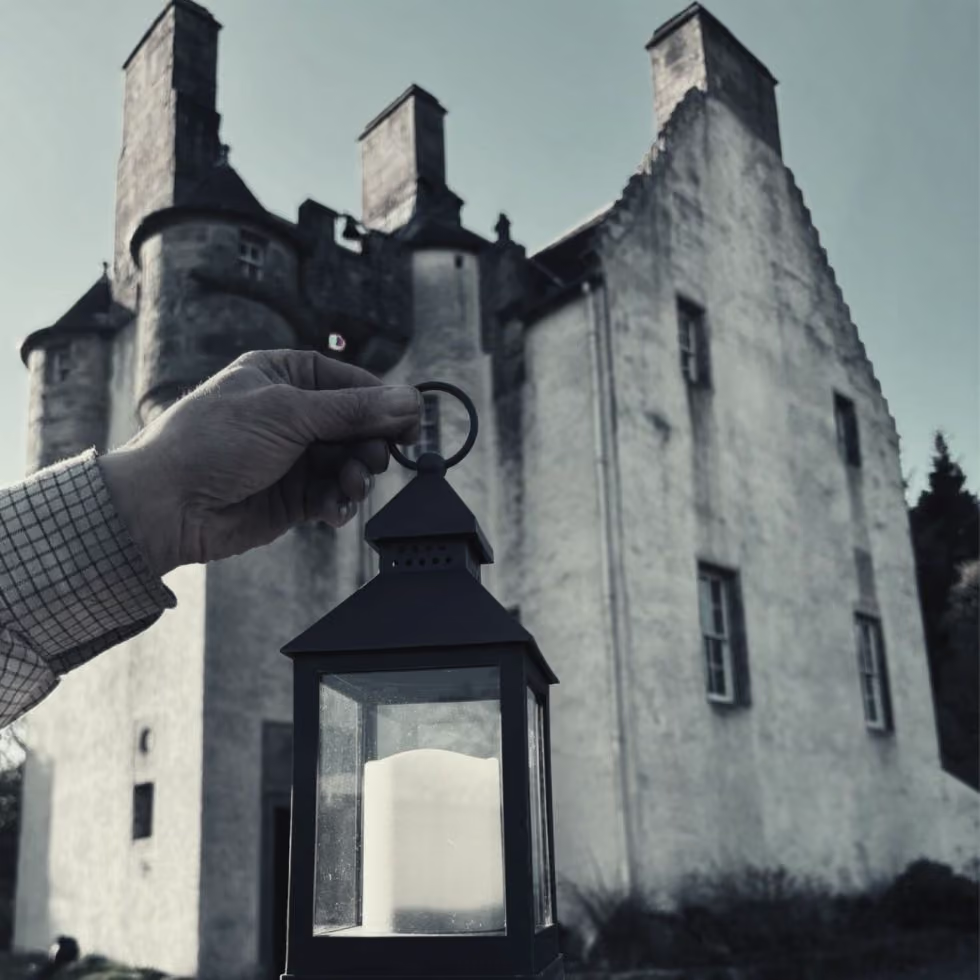
Doune Castle, Scotland

54467-prehistoric-site-of-clava-cairns-scaled.jpg
Prehistoric Burial Cairns of Clava CairnsCredit: VisitScotland / Kenny Lam

Why Culloden Still Matters

Culloden is more than a battlefield—it is a turning point in the story of Scotland. It marks the moment when ancient loyalties collided with modern politics, when cultural identity was both threatened and, paradoxically, solidified through memory and resistance.

Many of the clans who fought at Culloden continue to honour their ancestors, and for visitors, it offers a space not only to learn—but to feel. To imagine the charge, the fear, the loss. To understand how one short hour altered the trajectory of a nation.

Make It Part of Your Journey

If you’re planning a trip to the Highlands, Culloden deserves a place on your itinerary. Though we don’t offer a dedicated Jacobite tour (besides our personalised tour option!), Culloden is a powerful highlight on several of our 2‑, 3‑ or 4‑day Highland tours.

Whether you join us on our 2-Day Loch Ness & Highland Explorer, 3-Day Highlands & Loch Ness Explorer, or 4-Day Highlands & Isle of Skye Adventure, we take time to honour this pivotal place.

Join one of our curated, small-group journeys:

All of our tours are designed to balance the historical and the scenic, the personal and the political—allowing you to see Culloden not just as a location, but as a living legacy. If you have a particular selection of locations in mind but would love the benefit of a well-versed tour guide, we would love to craft a bespoke tour, just for you. Find out more, here.

Walk the Moor. Feel the History. Remember Culloden.

In every misty glen and windswept ridge, echoes of the past remain. On Culloden Moor, you don’t just learn about history—you stand where it happened.