

More Than Just a Pretty Face
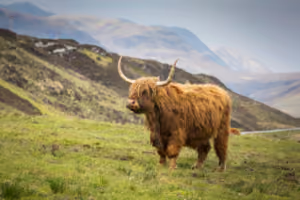
With their tousled red coats, curved horns, and soulful eyes peeking out from beneath a dramatic fringe, Highland cows—or “Heilan’ coos,” as we fondly call them—are Scotland’s unofficial mascots. You'll spot them on mugs, tea towels, and Instagram feeds worldwide. But these shaggy beauties are far more than a cute photo op. They’re resilient, gentle, and deeply woven into Scotland’s rural and cultural heritage.
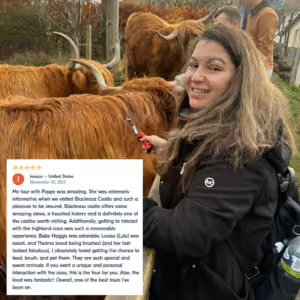
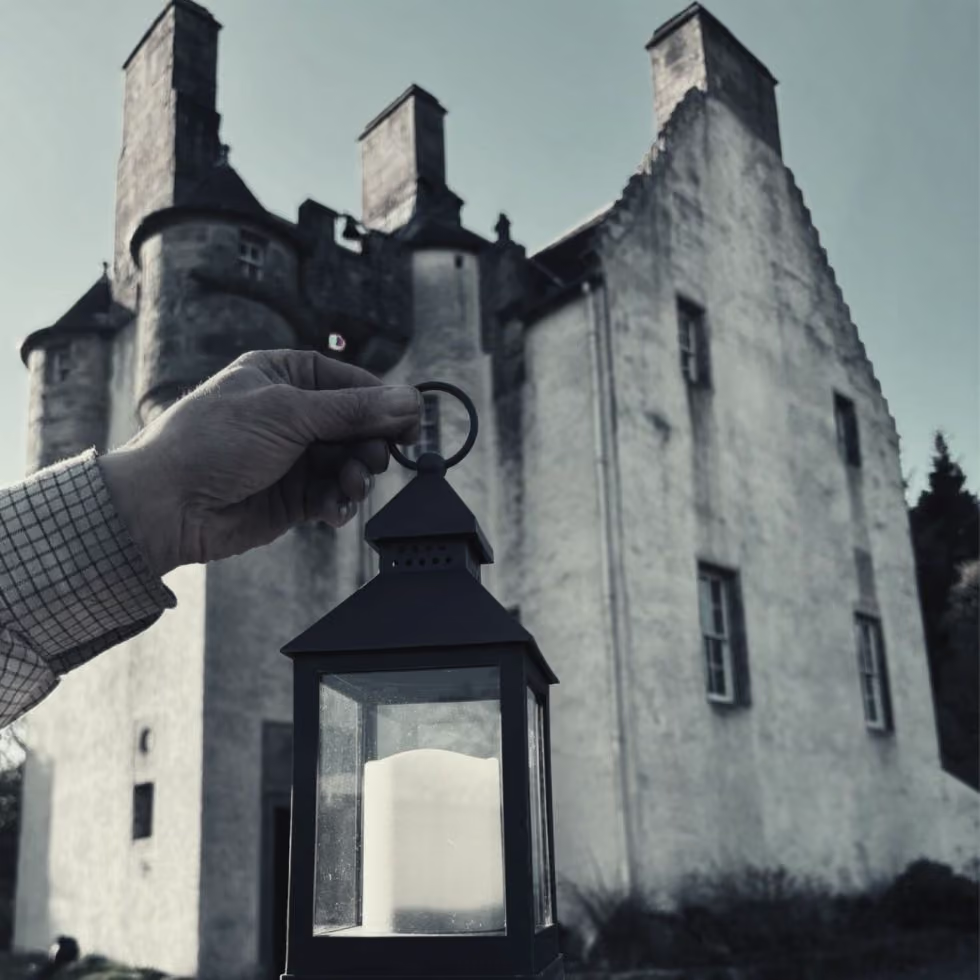
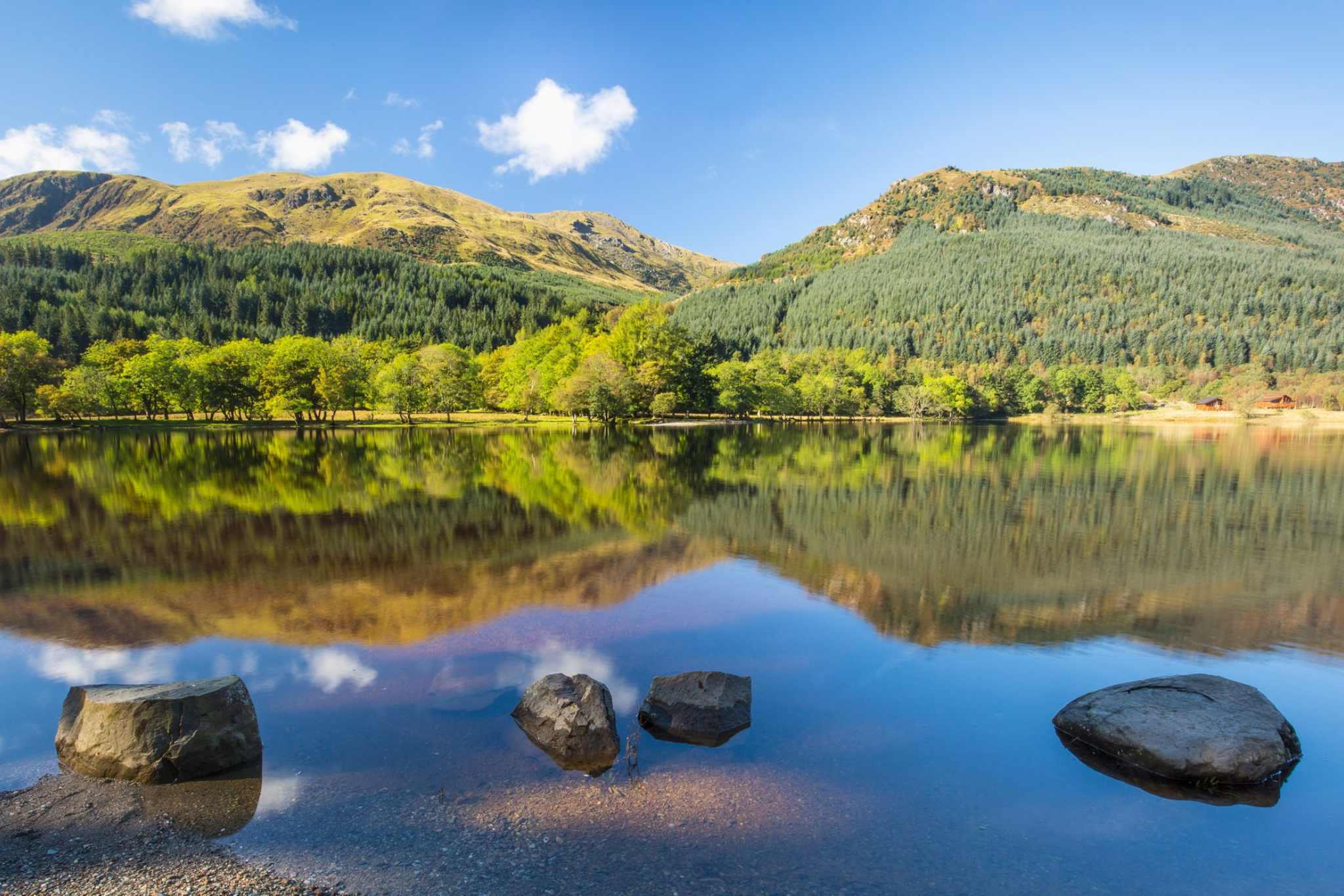
At Scottish Odyssey, we believe that meeting a Highland cow should feel like you’ve stepped into a Highland postcard—only better. Our unforgettable Highland Cow Experience from Edinburgh gives you the chance to meet these animals up close, while having the chance to explore lochs, waterfalls and castles in stunning countryside settings. It’s a real Highland day out—not a staged encounter.
A Breed Born of the Highlands
Highland cows are one of the world’s oldest and most recognisable cattle breeds. They’ve been part of the landscape for centuries, bred to thrive in Scotland’s toughest terrain. Their roots lie in the rugged west coast and Highland glens, where crofters relied on them for meat, milk, and even insulation—yes, their thick hides were once used for shelter and clothing.
Thanks to their signature double coat—a soft underlayer topped by a long, oily outer layer—they shrug off rain, snow, and icy wind like it’s nothing. Their horns aren’t just decorative either. These natural tools help them dig through snow to forage, and protect their young in the open wild.
Want to dive deeper into their history? Visit the official breed profile on VisitScotland.
Red Is Iconic, But Not the Only Colour
It’s true—those rusty-red cows are by far the most famous. But Highland cows come in a whole range of natural hues, including black, brindle, yellow, white, and dun. Red became the most recognised colour partly thanks to Queen Victoria, who fell in love with them during her stays at Balmoral Castle. Her preference led to selective breeding—and the rest is very hairy history.
That striking fringe (called a dossan in Scots) isn't just for show either—it protects their eyes from harsh weather and biting insects. Function and fashion in one!
How They Differ From Their English Cousins
Compared to the tidy, paddock-grazing cattle breeds of England, Highland cows are in a league of their own. English breeds like the Shorthorn or Hereford were developed for managed farmland, but Highlanders are made for the hills. They’re smaller, slower-growing, and far more independent.
They graze freely, roam widely, and require minimal intervention. That natural way of life also produces a lean, flavour-rich beef that’s low in cholesterol—something chefs and ethical producers adore. If you're interested in food provenance and traditional farming, Highland cattle are the gold standard.